Yoshiko Okada
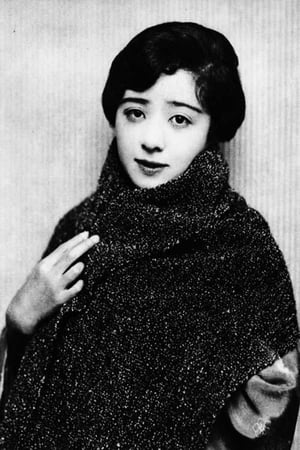
Yoshiko Okada (岡田 嘉子, Okada Yoshiko, 21 April 1902 – 10 February 1992) was a Japanese actress. She was one of the most popular actresses in Japan during the late 1920s and early 1930s. She entered the film industry in 1923 and quickly rose to fame by appearing in numerous films. During the transition from silent films to sound films, Okada continued acting but faced increasing competition from younger actresses. Her popularity declined as new stars emerged in the 1930s. She was among the first actresses to replace onnagata (men playing female roles) in Japanese cinema and became famous for portraying modern, independent women, reflecting social shifts in 1920s–30s Japan. Her love life and relationships with directors were widely reported, contributing to her celebrity image. In 1938, she fled to the Soviet Union with her lover, the stage director Ryokichi Sugimoto. Soon after arriving in the Soviet Union, both were arrested during the Great Purge. Sugimoto was executed. Okada was sentenced to ten years in a labor camp. After her release, she remained in the Soviet Union and worked in theatre. She became involved in theatrical activities in Moscow, learning Russian and integrating into Soviet theater. For many years, she was believed to have died. In 1972, it was revealed that she was still alive. She briefly returned to Japan in 1973, attracting considerable media attention. Okada later returned to the Soviet Union, where she lived until her death in 1992. Description above from the Wikipedia article Yoshiko Okada, licensed under CC-BY-SA, full list of contributors on Wikipedia.